Unique event venues create something standard ballrooms often struggle to deliver.
They create curiosity before the program even begins.
Guests arrive wondering what will happen next.
That feeling matters.
A familiar room can feel comfortable.
However, comfort rarely creates a memorable first impression.
Most guests have attended countless events inside similar hotel spaces.
The carpet changes.
The chandeliers change.
The meeting name changes.
Still, the experience often feels the same.
That is why nobody remembers the ballroom.
They remember the unexpected entrance, the dramatic reveal, and the story behind the setting.
They remember how the venue changed the entire evening.
For companies seeking stronger engagement, unique event venues offer a powerful advantage.
They help the event feel intentional, original, and worth attending.
Why Unique Event Venues Create Stronger Memories
Memory depends on emotion, contrast, and surprise.
A predictable setting creates less contrast.
Therefore, the brain has fewer reasons to store the experience.
Unique event venues immediately create a new frame.
Guests notice the architecture, scale, location, and atmosphere.
They begin forming opinions before they reach registration.
That early reaction shapes the entire event.
Familiar Spaces Create Familiar Expectations
Ballrooms are designed to serve many purposes.
That flexibility can be useful.
However, it often creates a neutral environment.
Neutral spaces need significant work before they feel distinctive.
Guests may recognize the layout instantly.
They expect the same reception tables, stage placement, and banquet chairs.
As a result, anticipation stays low.
Nothing appears wrong.
Yet nothing feels especially new.
That is the challenge.
The event may run perfectly and still disappear from memory.
Unexpected Spaces Create Immediate Curiosity
A unique venue changes the guest mindset.
People look around.
They ask questions.
They take photographs.
Most importantly, they become more alert.
Curiosity increases attention.
Attention strengthens memory.
Therefore, the venue becomes more than an address.
It becomes the event’s first experience.
That reaction is difficult to create through décor alone.
The setting itself already carries emotion and story.
The Venue Begins Telling the Story
Every successful event needs a clear story.
The story may celebrate employees.
It may introduce a product.
It could reward top performers.
Perhaps it welcomes important clients.
Whatever the purpose, the venue should support that message.
A generic setting forces the event to build the entire story from nothing.
Unique event venues provide a stronger beginning.
Architecture Communicates Before the Speaker Does
Guests read a room quickly.
High ceilings can create drama.
Historic details can suggest tradition.
Industrial spaces can communicate energy and innovation.
Outdoor settings can create freedom and openness.
Meanwhile, aviation venues can suggest movement, ambition, and possibility.
These messages arrive before the keynote begins.
That gives planners an advantage.
The environment reinforces the program without requiring extra explanation.
Location Can Strengthen the Brand Message
Venue selection should align with the company.
An innovative brand needs a setting that feels fresh.
A luxury brand requires thoughtful surroundings and elevated service.
A community-focused organization may prefer a warm, approachable space.
Likewise, a bold product launch deserves a venue with visual impact.
When the setting matches the message, the event feels more credible.
Guests sense that alignment.
As a result, the brand experience becomes stronger.
Why Nobody Remembers the Ballroom Décor
Ballroom décor can be beautiful.
Florals may be spectacular.
Lighting can completely transform the walls.
Still, décor often works against a familiar backdrop.
Guests notice the overall feeling.
They rarely remember every decorative detail.
That does not make décor unimportant.
Instead, it means décor should support the experience.
Expensive Does Not Always Mean Memorable
Planners can spend heavily without creating emotional impact.
More flowers do not guarantee stronger engagement.
Additional linens do not automatically create excitement.
Likewise, larger centerpieces may block conversation.
The guest experience should guide every design choice.
Otherwise, the room becomes visually impressive but emotionally empty.
A memorable event needs purpose.
Beauty alone is not enough.
Guests Remember Moments, Not Inventory
Guests rarely discuss chair models after an event.
They do not describe the charger plates months later.
However, they remember the doors opening to reveal something unexpected.
They remember a live band appearing from behind a curtain.
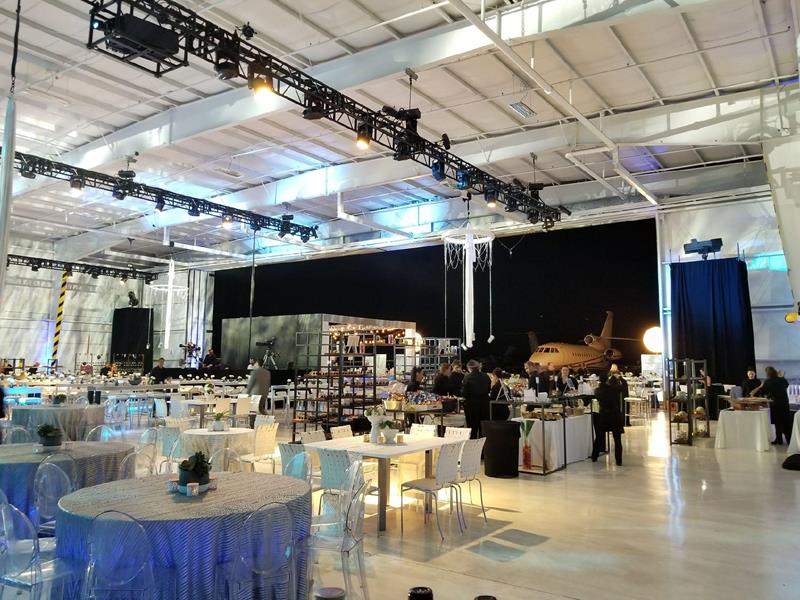
They remember aircraft glowing under dramatic lighting.
Furthermore, they remember the toast that made the entire room quiet.
Those are moments.
Moments create stories.
Stories create lasting memory.
Unique Event Venues Improve Attendance
Attendance begins with perceived value.
Guests decide whether an event feels worth their time.
A distinctive venue makes the invitation more interesting.
It suggests that the experience will be different.
That difference can increase excitement before arrival.
The Invitation Becomes More Powerful
“Join us in Ballroom C” communicates information.
It rarely creates anticipation.
By contrast, an invitation to a private hangar feels unusual.
A museum, rooftop, estate, or historic property creates similar interest.
Guests begin imagining the experience.
They may share the invitation with colleagues.
Additionally, they may arrive earlier because curiosity is already high.
The venue becomes part of the marketing.
Destination Appeal Matters
Out-of-town guests want a sense of place.
They did not travel simply to see another meeting room.
A unique venue can introduce local character.
It can reflect the destination’s architecture, culture, or identity.
In Scottsdale, aviation venues offer a distinctive connection to the area.
They also create easy conversation among guests.
The setting feels specific.
Therefore, the event feels less interchangeable.
Unique Event Venues Encourage Conversation
Conversation is one of the greatest benefits of live events.
However, conversation needs the right environment.
A room can either support interaction or discourage it.
Unique spaces often create natural conversation starters.
Guests ask about the building, aircraft, artwork, or history.
That gives strangers an easy opening.
Shared Discovery Builds Connection
People connect faster when they discover something together.
An unexpected venue creates that opportunity.
Guests explore the space.
They compare reactions.
They point out details.
Meanwhile, the event feels more social.
The setting gives people something to discuss beyond business.
That can reduce awkwardness.
It also helps new relationships begin naturally.
Layout Influences Interaction
The venue’s shape affects guest behavior.
Long tables encourage one type of conversation.
Lounge groupings create another.
Open spaces support movement.
Meanwhile, smaller zones can create intimacy.
Planners should design with intention.
Bars can draw guests toward underused areas.
Food stations can spread traffic.
Seating can encourage people to stay longer.
Every choice should support the desired interaction.
Ballrooms Are Not Always the Wrong Choice
Ballrooms still serve many events well.
They offer built-in infrastructure.
They may simplify guest movement.
Additionally, hotel access can help conferences and meetings.
The problem is not the ballroom itself.
The problem begins when planners choose familiarity without considering the goal.
Function Should Always Come First
Some programs require breakout rooms.
Others need direct hotel access.
Large conferences may benefit from existing meeting infrastructure.
In those cases, a ballroom may be practical.
However, practical should not become automatic.
Planners should compare the guest experience against operational needs.
The right venue balances both.
Evening Events Need Different Energy
A daytime meeting and evening celebration have different purposes.
The daytime program may prioritize convenience.
Meanwhile, the evening event should create energy and connection.
That is why companies often move guests away from the hotel.
A new setting refreshes attention.
It also signals a change in tone.
The evening no longer feels like another meeting session.
Instead, it becomes a true experience.
Why Aviation Hangars Make Powerful Event Venues
Aviation hangars offer something few traditional spaces can match.
They combine scale, flexibility, privacy, and visual impact.
Guests immediately understand that the event will be different.
That reaction gives planners a strong creative foundation.
Scale Creates Drama
Large hangar doors create a powerful entrance.
High ceilings support major lighting and production.
Wide floor plans allow custom layouts.
Additionally, aircraft can become part of the environment.
The room feels expansive.
That scale can create excitement without feeling crowded.
It also supports entertainment, stages, lounges, and dining.
Aircraft Become Built-In Storytelling
Aircraft are more than background décor.
They communicate movement, possibility, and ambition.
For some brands, those ideas align naturally with the event message.
Aircraft can frame the stage.
They can support branded photography.
Likewise, they can become part of a reveal.
That visual impact is difficult to duplicate elsewhere.
The venue already contains a powerful focal point.
Privacy Changes the Experience
Private venues create greater control.
Guest access can feel more exclusive.
Branding can remain protected.
Additionally, high-profile attendees may appreciate discretion.
That sense of privacy increases perceived value.
Guests feel invited into something special.
The event becomes less public and more intentional.
Blank Canvas Venues Require Strong Planning
Freedom creates opportunity.
It also creates responsibility.
A blank canvas does not arrive fully finished.
Planners must consider power, sound, lighting, climate, and guest flow.
Those details shape the final experience.
Lighting Defines the Room
Lighting is one of the strongest design tools.
It can make a large space feel intimate.
It can direct attention.
Additionally, it can divide the room into zones.
Guests may never discuss the lighting plan.
However, they will feel its impact.
Poor lighting makes a venue feel flat.
Strong lighting gives the space dimension and emotion.
Sound Must Match the Scale
Large venues require thoughtful audio design.
A single speaker system may not cover the room properly.
Guests should hear clearly without overwhelming volume.
Therefore, experienced production teams matter.
They understand delay, coverage, and acoustics.
The goal is consistent sound throughout the event.
Nobody should miss an important message.
Climate and Comfort Cannot Be Ignored
Guest comfort affects every memory.
A beautiful venue can still fail when guests feel uncomfortable.
Temperature, airflow, and weather planning matter.
So do restrooms, seating, and transportation.
Unique venues need thoughtful operational support.
The best experience feels effortless.
That effortlessness comes from detailed planning.
The Guest Journey Begins Before Arrival
A successful event starts before guests enter.
Directions, transportation, parking, and communication shape expectations.
Unique venues require clear information.
Confusion can damage excitement quickly.
Arrival Should Feel Intentional
The entrance sets the tone.
Guests should know where to go.
Staff should offer a warm welcome.
Additionally, lighting and signage should support the experience.
A strong arrival creates confidence.
It also prepares guests for what follows.
The event should not begin with uncertainty.
The First Reveal Matters
The first visual moment can define the entire evening.
That may happen when guests enter the main room.
It may occur when hangar doors open.
Perhaps lighting reveals a stage or aircraft.
Whatever the approach, timing matters.
The reveal should feel intentional.
It should support the story.
Most importantly, it should create emotion.
Entertainment Feels Bigger in Unique Spaces
Entertainment changes when the venue supports it.
A live band inside a hangar feels different from a hotel stage.
Aerialists gain impact under high ceilings.
Roaming performers feel natural in open layouts.
The setting amplifies the entertainment.
Entertainment Should Fit the Space
Not every act works in every venue.
Ceiling height, sound, sightlines, and guest movement matter.
Planners should evaluate the full environment.
Aerial performance needs proper rigging.
Bands require appropriate power and audio.
Interactive acts need room to move.
Therefore, entertainment planning should begin early.
Surprise Creates the Strongest Reaction
Guests expect a stage presentation.
They may not expect entertainment to arrive from another direction.
Surprise increases attention.
For example, performers can appear during dinner.
A vehicle may become part of the reveal.
Likewise, a musical moment can begin unexpectedly.
These choices work best when they support the event story.
Random surprise feels confusing.
Purposeful surprise feels unforgettable.
Food and Beverage Can Use the Venue Creatively
Food service does not need to look the same everywhere.
Unique event venues support more creative formats.
Food stations can become experiences.
Chef demonstrations can create theater.
Additionally, food trucks can add movement and personality.
The venue can inspire the menu.
Service Style Should Support Guest Flow
A large open room needs balanced service points.
One central buffet can create long lines.
Multiple stations help distribute guests.
Bars should also be placed strategically.
Meanwhile, passed service can keep energy moving.
The goal is convenience without sacrificing presentation.
The Menu Should Match the Experience
Food communicates tone.
Elegant plated dining feels different from interactive stations.
A themed menu can support the story.
Local ingredients can strengthen the destination.
Additionally, signature drinks can create memorable touchpoints.
Every choice should feel connected.
The event becomes stronger when food supports the larger concept.
Unique Event Venues Support Better Brand Activations
Brand activations need more than visibility.
They need participation.
Guests should experience the brand through action.
Unique venues create space for larger ideas.
They also help the activation feel less commercial.
Products Need Room to Be Experienced
Some products need demonstration space.
Vehicles require room for display.
Technology may need interactive zones.
Likewise, lifestyle brands may need immersive environments.
A flexible venue allows the product to lead.
The space can adapt around the activation.
That is often harder inside a fixed ballroom layout.
Branding Feels More Integrated
Ballroom branding often depends on signs and screens.
Unique venues offer more surfaces and storytelling opportunities.
Lighting can carry brand colors.
Aircraft can support visual identity.
Furniture and staging can reinforce the message.
Furthermore, guest touchpoints can feel part of the experience.
Integrated branding feels more sophisticated.
It also feels less forced.
Unique Event Venues Can Improve Photography
Event photographs extend the life of an experience.
They support marketing, social media, recruitment, and future sales.
A distinctive venue creates stronger visual content.
The background already carries interest.
Every Angle Tells a Better Story
Photographers benefit from depth and scale.
Aircraft, architecture, and lighting create visual layers.
Guests appear inside a real environment.
The images feel specific.
As a result, the event becomes easier to remember.
Those photographs also help future attendees understand the experience.
Visual Content Supports Future Events
A strong event can market the next event.
Guests share photographs.
Companies use images in presentations.
Likewise, planners use them in recaps.
A unique setting makes that content more valuable.
The photographs do not look like every other corporate event.
That distinction strengthens the brand.
Karen’s Take: Nobody Talks About the Beige Walls
After decades in this business, I have learned what guests actually remember.
They remember the surprise.
They remember the energy.
Most importantly, they remember how the event made them feel.
Nobody calls me months later to praise beige walls.
Most will talk about aircraft, music, lighting, and dramatic entrances.
Someremember seeing coworkers in a completely different environment.
They remember the moment the room changed.
That is why I believe the venue matters so much.
The right space gives the event a head start.
It creates curiosity before we add one chair.
However, a unique venue alone is not enough.
It still needs purpose, planning, and experienced execution.
Otherwise, it becomes an interesting room without a meaningful experience.
The goal is not simply leaving the ballroom.
The goal is creating something worth remembering.
How to Choose the Right Unique Event Venue
A venue should support the event’s purpose.
It should also support the guest experience.
Visual appeal matters.
However, operations matter equally.
Planners should evaluate both.
Begin With the Event Goals
Start by defining success.
Should employees feel appreciated?
Should clients build stronger relationships?
Maybe the event must launch a product.
Perhaps the goal is raising funds.
The purpose guides the venue choice.
A beautiful space that blocks the goal is still the wrong space.
Evaluate Capacity Honestly
Capacity is not just a number.
The layout changes how the room feels.
A standing reception needs different space than seated dining.
Stages, bars, lounges, and production also reduce usable area.
Therefore, planners should review realistic floor plans.
Crowding damages comfort.
An oversized room can also reduce energy.
The right capacity creates balance.
Ask About Required Services
Unique venues often have specific policies.
Catering, production, insurance, security, and alcohol rules may apply.
Those requirements protect the venue and event.
However, planners should understand them early.
Hidden assumptions create budget problems.
Clear communication prevents surprises.
Review Load-In and Logistics
Great events depend on backstage access.
Planners should ask about loading, parking, power, storage, and setup time.
Large décor pieces may need special entry.
Entertainment may require rigging.
Additionally, vehicles may need approval.
Early logistics review protects the creative plan.
Common Mistakes When Leaving the Ballroom
Unique venues reward preparation.
They also expose weak planning quickly.
Several mistakes appear repeatedly.
Choosing the Venue Only for Appearance
A beautiful venue may not support the program.
Sound limitations can create problems.
Limited power may increase costs.
Poor access can delay setup.
Therefore, planners should review operations before committing.
The photographs matter.
However, function protects the experience.
Underestimating Production
Blank canvas venues need professional production.
Lighting, audio, power, and staging create the environment.
Cutting those areas can make the space feel unfinished.
Furthermore, weak production can damage the brand.
Production should not become an afterthought.
It should be part of the original budget.
Forgetting the Guest’s Comfort
Guests need clear directions, comfortable temperatures, and reliable service.
They also need places to sit.
Restroom access matters.
Transportation matters.
Likewise, accessibility matters.
Creative ideas should never ignore basic comfort.
The best events balance surprise with care.
Why Nobody Remembers the Ballroom
Nobody remembers the ballroom because familiarity creates fewer emotional anchors.
Guests remember what felt different.
They remember what surprised them.
They also remember where they connected with others.
Unique event venues support those outcomes.
They create curiosity, conversation, and stronger visual impact.
However, the venue must support the purpose.
It must function well.
Furthermore, it needs experienced planning.
Leaving the ballroom is not automatically better.
Choosing the right venue is better.
The goal is not novelty for its own sake.
The goal is creating an experience people value.
Create an Event Worth Remembering
Scottsdale Private Event Venues offers distinctive aviation spaces for corporate events, brand activations, and private celebrations.
Our venues provide flexibility, privacy, scale, and unforgettable visual impact.
Additionally, our experienced team helps clients plan the operational details behind the creative vision.
When your event deserves more than familiar walls, SPEV offers a different starting point.
Contact Scottsdale Private Event Venues to create an event people will remember.